Company Insight
Sponsored by Viva Energy Australia
The stepping stones to zero emissions
Viva Energy on renewable diesel and real-world decarbonisation.
Main image credit:
At this year’s International Mining and Resources Conference (IMARC), Mine Australia spoke with Viva Energy’s Carbon Solutions Manager, Robert Cavicchiolo about the company’s new lubricant and grease facility in Karratha, its partnership with Shell Lubricants, and how renewable diesel is helping customers decarbonise without disrupting operations.

Robert Cavicchiolo, Viva Energy’s Carbon Solutions Manager
Viva Energy’s strength lies in providing an integrated service — from conventional fuels and lubricants to emerging low-carbon solutions — while ensuring products are stored, handled, and delivered efficiently. The $22 million Karratha investment, which trims thousands of kilometres from transportation routes, is a tangible reflection of Viva Energy’s commitment to optimising supply chains and reliability across the mining and resources sectors.
Viva Energy’s new $22 million lubricant and grease facility in Karratha has been getting a lot of attention — can you walk us through what’s being showcased there and what it does for the resources sector?
Traditionally, we imported most of our bulk and grease products into Fremantle and transported them across the region to service mining and oil and gas customers. Now we bring them directly into the new bulk storage facility, saving more than 1,000 kilometres of sea transport and up to 1,500 kilometres of road transport.
There’s a natural efficiency to be gained there. We’re closer to our customers, and we’ve got a dedicated product quality, supply chain, and logistics team managing imports, signing off on products, and delivering to specification.
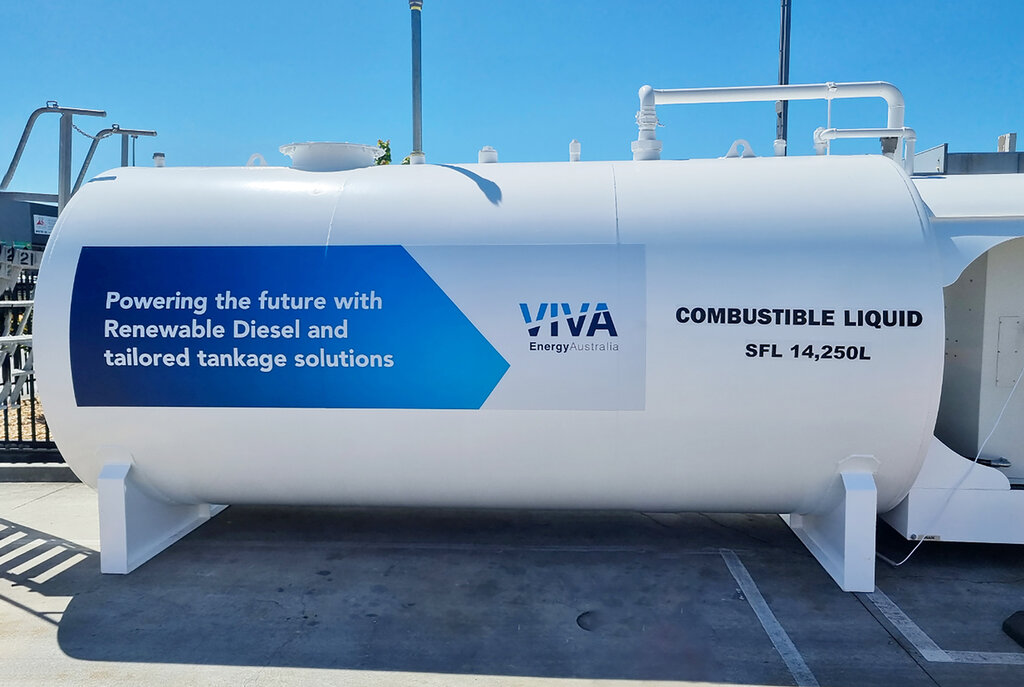
The facility holds approximately 2.4 billion litres of bulk lubricant storage, as well as a grease plant where we repackage products into suitable containers for our customers. Our lubricants range from engine and transmission oils to hydraulic and differential fluids, plus a variety of greases. We also have a technical services team that helps customers drive efficiency and identify cost-optimisation opportunities. The site is more than a hub for storage — it’s a support centre that ensures our solutions are fit for purpose.
Caption. Credit:
Your role covers the carbon solutions portfolio. What does this encompass today, and how have you seen the role evolve as decarbonisation pressures intensify?
Decarbonisation has been a journey of education and exploration, from understanding short- and long-term options to planning realistic transition steps. While people aspire to zero-emission technologies like electrification and hydrogen, there’s an important interim stage: understanding customers’ existing assets and how best to transition them.
That’s where low-carbon liquid fuels such as Renewable Diesel come in. It is a drop-in solution compatible with existing infrastructure and equipment, approved by many OEMs, and recognised under regulatory frameworks for providing genuine emissions reductions. Compared to conventional fossil diesel, these fuels can deliver up to 80–90% carbon savings based on a life cycle assessment basis.
You have a partnership with Shell Lubricants at the Karratha site. What benefits does Shell bring to your operations and your customers?
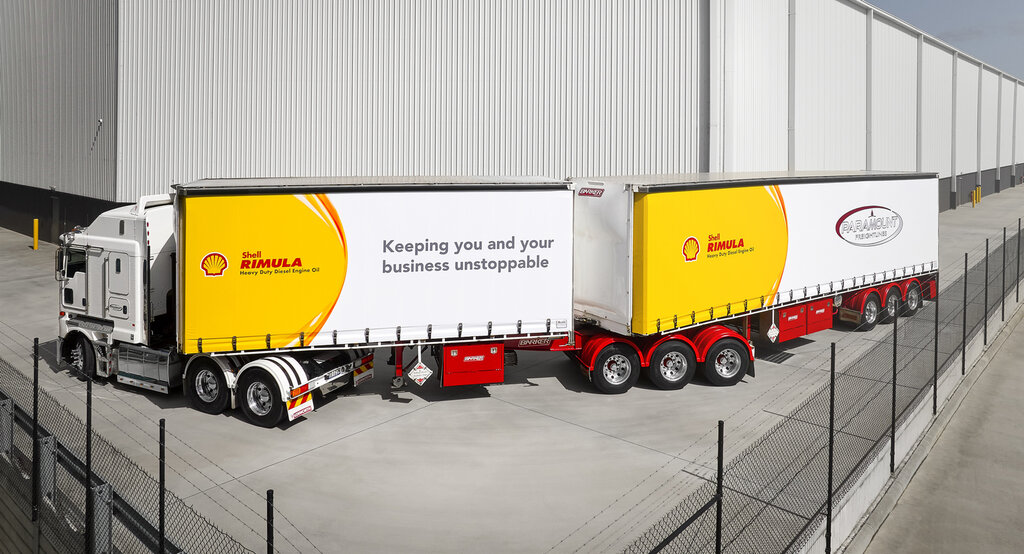
Shell is a globally trusted lubricant manufacturer, and we’re the exclusive distributor of Shell Lubricants in Australia. Their R&D investment is enormous — as equipment evolves, lubricants face higher operating demand conditions, greater temperatures, pressures, and extending oil drain intervals, so lubricant formulations become critical.
These advanced fluids can also help improve fuel and energy efficiency across multiple applications, supported by Shell’s global network of technical experts with Viva Energy's own technical experts, help us launch new developments locally. OEM approvals are another key factor — manufacturers recognise Shell Lubricants as genuine, fit-for-purpose products that are developed to keep equipment running as designed. Shell remains the world’s number one lubricant supplier, now for the 19th consecutive year.
Caption. Credit:
Renewable diesel is a big part of this low-carbon transition. Where do you see the most immediate impact across mining and heavy transport, and what adoption challenges still exist?
The biggest advantage of renewable diesel is that it’s a direct replacement — it can be fully integrated into existing hydrocarbon supply chains, storage systems, and equipment.
OEM approvals are already in place for most major manufacturers, Australia recently introduced a paraffinic diesel fuel standard, formally recognising renewable diesel as a legitimate decarbonisation option and having a product specification that suppliers must adhere to.
Physically, renewable diesel is almost identical to conventional diesel, offering full miscibility and flexibility. Customers can switch seamlessly between the two or blend them in varying ratios or potentially even cycle between conventional and renewable fuels depending on operational needs. That flexibility is a major advantage for progressive adoption over the short to medium term for our mining customers.
Across that spectrum, you must have clients with very different levels of awareness — from those exploring options to those with dedicated decarbonisation teams.
Absolutely. The solutions landscape is diverse — from renewable diesel and other low-carbon liquid fuels to electrification, green hydrogen, hybrid systems, and even solar applications. That’s why we take a pragmatic approach, assessing what solutions are available, what customers need, and how the commercial realities align.
Reaching zero-emission technology will take time, and this stepping-stone approach is critical. Viva Energy is focused on immediate, scalable opportunities today while investing in future pathways such as green hydrogen and electrification. The knowledge we gain across different industries and internal expertise helps us cross-pollinate ideas, guiding customers on their own transition journeys.
Caption. Credit:
What are the best ways for teams to get in touch to discuss their options?
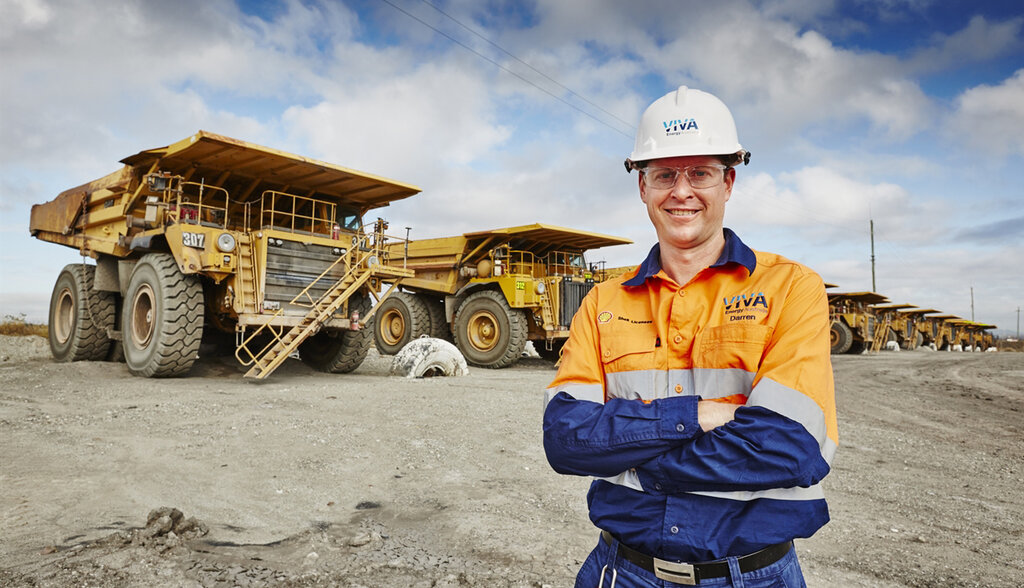
Viva Energy is your end-to-end integrated mining solutions partner; whether you are after a Decarbonisation Partner, fuel storage through Hydrocarbon Solutions, Equipment and Project Management or Lubricants, the team is ready to assist.
The key is collaboration — bringing together procurement, operations, maintenance, and sustainability teams so everyone understands the benefits and practicalities of transition. We’re ready to help customers assess where renewable diesel or other solutions make sense for their operations and how we can support implementation.
Contact information
Viva Energy Australia
Email: tellvivaenergy@vivaenergy.com.au
Web: www.vivaenergy.com.au