Analyst Comment
Mine restarts support West Africa’s gold recovery in 2026
Ivory Coast is expected to become the third‑largest gold producer in West Africa by 2026, surpassing Mali. By GlobalData.
Powered by

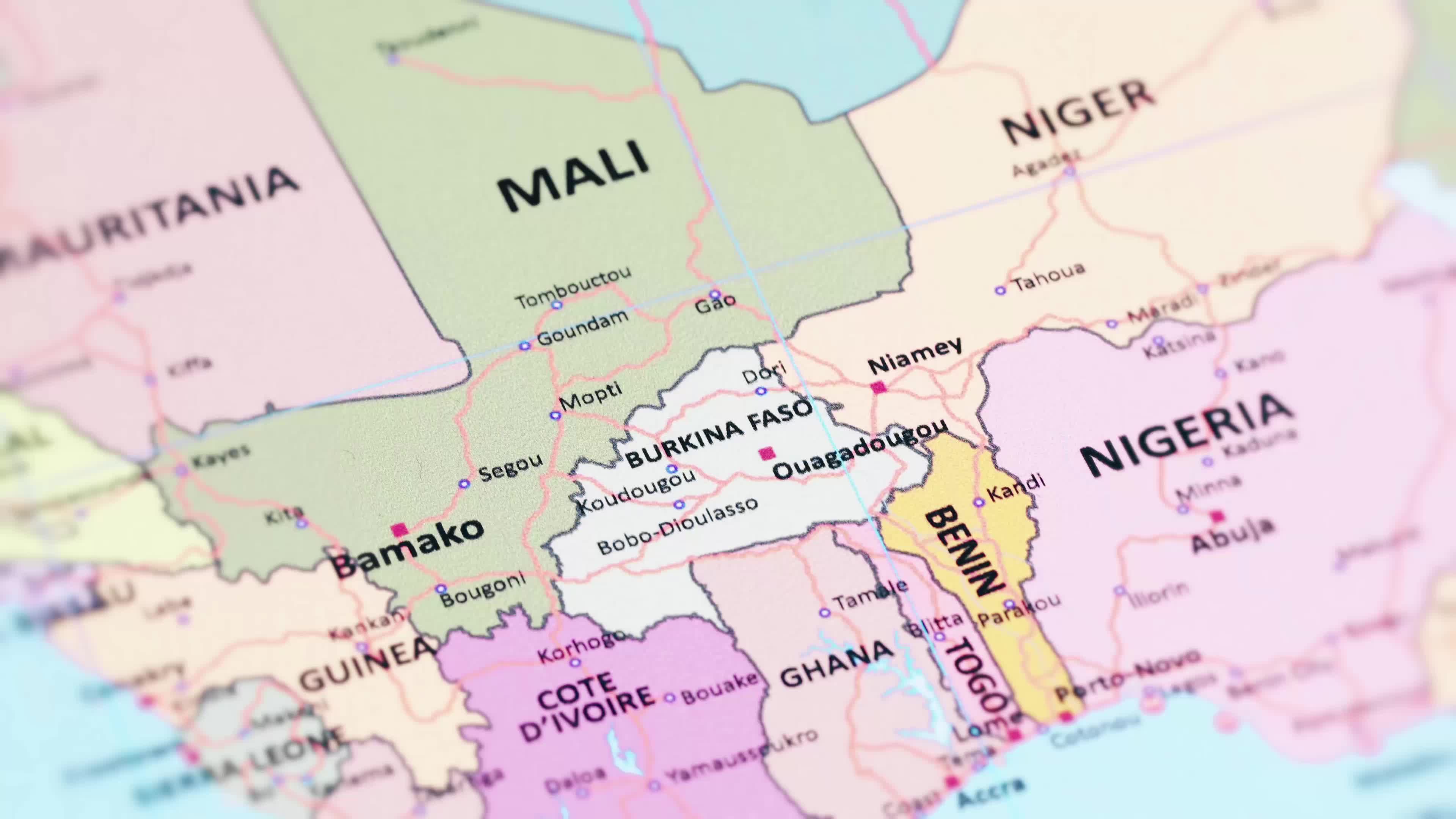
Main video supplied by ersen_cira/Creatas Video via Getty Images
W est Africa’s gold sector has entered Q2 2026 with a stronger near-term outlook, supported by Ghana’s robust 2025 performance and expected recoveries across several key producing markets, according to a report by Mining Technology parent company GlobalData.
Regional growth in 2026 is expected to be driven by mine restarts, new project ramp-ups and improved operating performance, particularly in Mali, Guinea and Burkina Faso. However, the recovery remains uneven, as security risks, mature mine declines, permitting delays, fiscal pressure and policy intervention continue to weigh on parts of the sector.
Ghana remains the anchor of West African gold production and retained its position as Africa’s largest gold producer in 2025. Growth was supported mainly by higher formalised artisanal and small-scale mining output, the ramp-up of Shandong Gold’s Namdini project and stronger output from key mines, including Obuasi and Akyem.
The start of Newmont’s Ahafo North project also provided additional support, strengthening Ghana’s production base despite rising regulatory scrutiny.
Ghana’s outlook is increasingly shaped by policy tightening. The government’s decision not to renew Gold Fields’ Damang lease and to take control of the mine signals a stronger focus on domestic value capture and state oversight.
The introduction of a sliding-scale royalty regime also reflects the government’s attempt to capture more revenue from elevated gold prices, while efforts to formalise artisanal and small-scale mining through a centralised gold buying and processing model could improve traceability, reduce illicit flows and strengthen responsible production practices.
In 2026, Ghana’s production is expected to grow at a slower pace than in 2025, up by 5.9%, supported by the continued ramp-up of Ahafo North and Namdini, higher output from Asante Gold’s Bibiani, and operational improvements at Obuasi.

Mali is expected to be one of the strongest contributors to the region’s 2026 recovery, largely due to the restart and ramp‑up of Loulo‑Gounkoto.
However, near-term growth will remain partly constrained by lower-grade ore at Newmont’s Ahafo South and weaker feed grades and yields at Gold Fields’ Tarkwa. Tarkwa’s production is expected to decline until 2027 before recovering from 2028 as the mine plan improves, while its lease renewal remains an important policy and operational watch point for Ghana’s medium-term outlook.
Mali is expected to be one of the strongest contributors to the region’s 2026 recovery, largely due to the restart and ramp-up of Loulo-Gounkoto. The mine’s disruption in 2025, linked to the dispute over mining conventions and provisional administration, sharply reduced Mali’s output.
With operations restarting after the dispute was resolved, Mali’s gold production is forecast to rise by 28% in 2026, supported by Loulo-Gounkoto’s recovery and additional output from the Syama Phase I and Fekola Regional projects.
However, Mali’s dependence on gold remains a structural risk, as the sector accounts for a major share of GDP, exports and tax revenue. Security risks also remain high, as shown by the January 2026 attack on the Morila gold mine, highlighting the challenges of reviving production in unstable areas.
Guinea’s gold sector is also set for a rebound in 2026. Growth will be led by the ramp-up of the Kiniero Gold Mine, which began production in late 2025. Stronger performance at Siguiri will further support the recovery, despite earlier disruptions. Renewed investor interest, including potential partnerships around the Poura Gold Mine project, also points to Guinea’s growing importance in the regional gold landscape. However, scheduled closures at mines such as Lefa, Kiniero, Tri-K and Kouroussa are expected to weaken production after 2030.
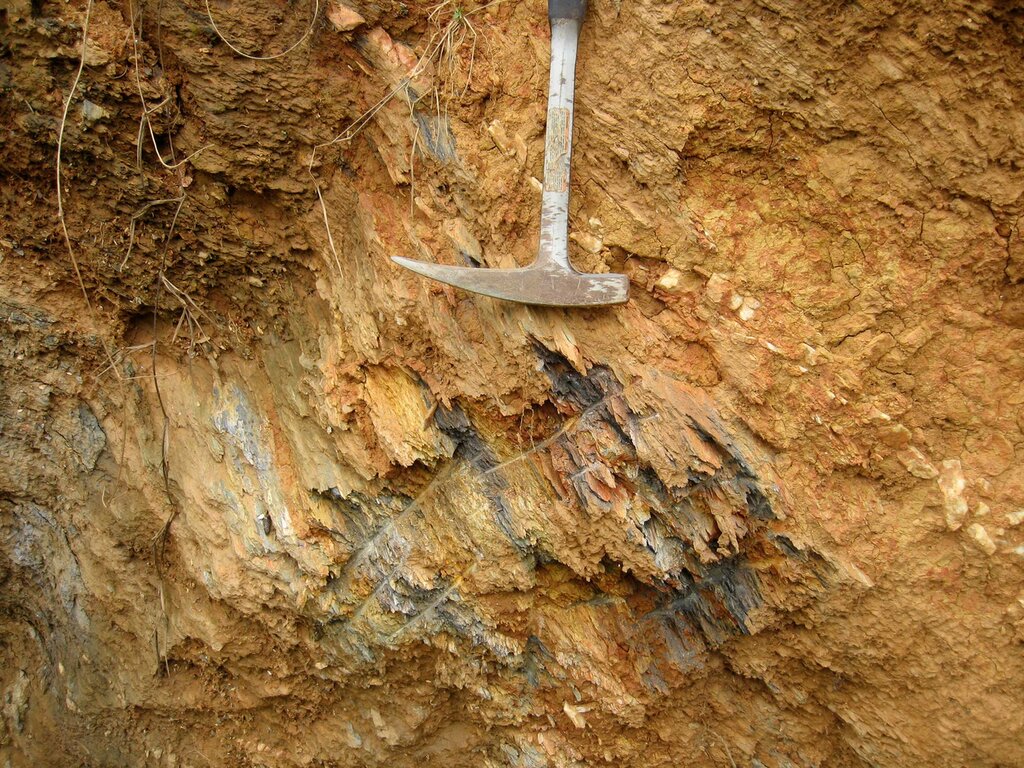
Ghana remains the anchor of West African gold production. Credit: Gerhard Michael Free / Shutterstock.com
In Burkina Faso, near-term growth will be driven by the Kiaka project. After commencing production, Kiaka is expected to provide a stronger full-year contribution in 2026 as open-pit mining and processing activities scale up. This will support a 7% rise in Burkina Faso’s gold output.
However, the country’s longer-term outlook is weaker, with planned closures at Essakane, Bomboré, Yaramoko and Boungou expected to drag production lower after 2026.
Outside the region’s largest producers, emerging markets such as the Ivory Coast, Niger, Liberia, Senegal and Sierra Leone are becoming more important. Their collective production is expected to grow by 3.8% in 2026.
Ivory Coast is expected to become the third-largest gold producer in West Africa by 2026, surpassing Mali, while Senegal’s outlook will benefit from the Makabingui and Diamba Sud projects and underground expansion at Sabodala-Massawa.
Overall, West Africa is expected to remain a major contributor to global gold supply, though growth is likely to become increasingly concentrated in jurisdictions that can balance investment appeal with national development goals. While strong prices and new projects support the outlook, regulatory stability, security and effective project delivery will be critical to sustaining production growth and attracting future investment.
