Company Insight
Sponsored by Volvo Group Australia
Mining's next productivity leap will be driven by partnerships not just equipment
The mining sector is notorious for being slow when it comes to embracing new technology.
Main image credit:
When people think about mining capability, they usually think about the machines, the giant haul trucks climbing out of pits under full load, wheel loaders moving thousands of tons of material a shift. Excavators working around the clock against a backdrop of dust, heat and noise.
And rightly so.
Mining has always relied on big equipment doing big jobs in some of the harshest operating environments on earth. The machines are impressive, and they remain the backbone of every successful operation.
But when you strip away the specifications, the horsepower and the sales brochures, a question remains:
Who keeps production moving?
Because capability isn't measured when a machine arrives on site. It isn't measured during a sales presentation. And it certainly isn't measured by the latest technology announcement.
Capability is measured when production targets are on the line.
It's measured at two in the morning when an unexpected fault risks stopping material movement. It's measured when a maintenance team is trying to make a shutdown window count. It's measured when mine managers need certainty that equipment will perform exactly as promised.
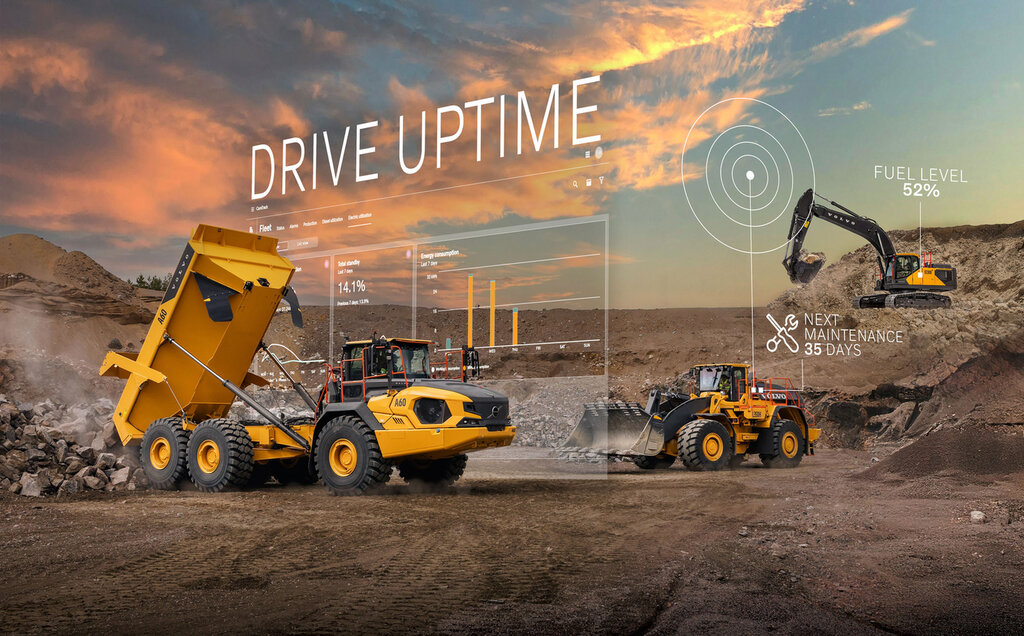
In mining, as in many industries, uptime is everything.
A machine sitting idle isn't moving material. It isn't meeting targets. It isn't generating value.
That's why the definition of mining capability is changing.
Caption. Credit:
For decades, conversations about performance centered on the equipment itself. Bigger payloads. More power. Greater efficiency. Longer service intervals.
Those things still matter.
But today's mining operators face a far more complex challenge than simply moving more tons than they did yesterday.
They face increasing pressure to improve productivity while reducing emissions. They are operating in a highly competitive environment where every hour of downtime carries a cost. Workforce shortages continue to challenge businesses across the resources sector. At the same time, expectations around safety, sustainability and operational efficiency continue to rise.
The reality is that modern mining operations need much more than great equipment. They need great partnerships.
The most productive mines in Australia understand that success comes from an entire ecosystem working together. Equipment is part of that equation. So are service technicians. So are parts networks. So is connectivity. So is data.
And increasingly, so is the ability to identify problems before they become failures.
This is where the conversation around capability becomes more interesting.
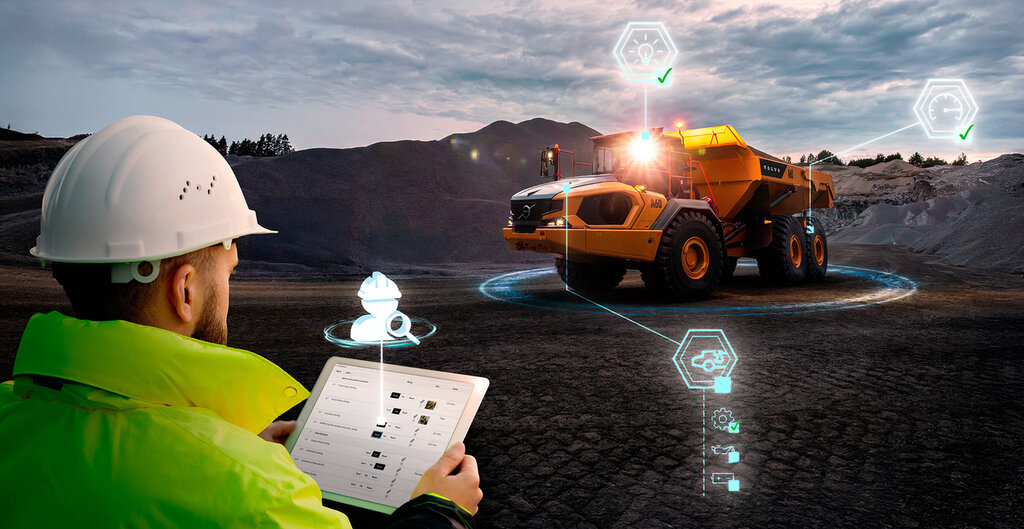
The mining industry is undergoing a digital transformation. Connected equipment can now provide unprecedented visibility into machine performance, maintenance requirements and operational efficiency.
Caption. Credit:
Data that took days or weeks to gather can now be accessed almost instantly.
Workshop teams can often identify issues remotely before a machine arrives for service. Parts can be ordered before they are needed. Maintenance events can be planned instead of reacted to.
For mining operators, that means less disruption and greater certainty. And certainty is incredibly valuable in an industry where every hour counts.
Australia presents a unique challenge in this regard.
Our mines are often located in remote regions, a long way from major population centres. The distances involved can be enormous. Conditions can be unforgiving.
Yet production targets don't pause because a machine needs attention. Operations continue. Material still needs to move and customers still expect delivery.
Mining operates on the principle that failure is not an option. Whether it is an iron ore operation in the Pilbara or a coal mine in regional Queensland, downtime has consequences.
When production slows, costs begin mounting almost immediately. That is why support networks matter. It is why parts availability matters. It is why experienced technicians matter. And it is why partnerships matter.
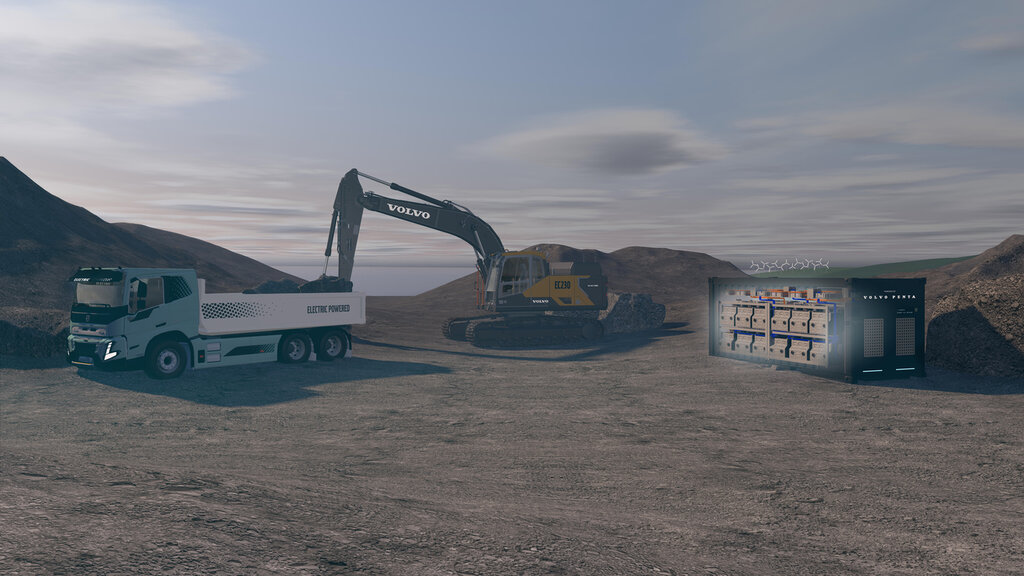
At Volvo Group Australia, mining capability extends beyond the equipment we build and support. It includes the people, technology and expertise that help customers maximise the value of every machine operating on site.
Caption. Credit:
The objective is simple, keep customers productive, help them plan with confidence and help them respond to challenges faster.
Help them achieve the outcomes their businesses depend upon.
Because ultimately, the future of mining productivity will not be delivered by equipment alone.
It will be delivered through stronger partnerships.
The next productivity leap won't come solely from bigger machines or more powerful engines. It will come from combining equipment, technology, connectivity and support into something greater than the sum of its parts.
Australia's mining industry has always evolved, It has embraced new technologies, new operating models and new ways of working.
The next chapter will be no different.
Because when production is on the line, the most important question isn't what a machine can do.
It's who stands behind it.
And in modern mining, that partnership can make all the difference.
Contact information
Volvo Group Australia
41 Bivouac Place
Wacol, QLD 4076
Tel.: +61 7 3718 3500
Email: VolvoGroupAustralia@volvo.com
Web: Volvo Group Australia

